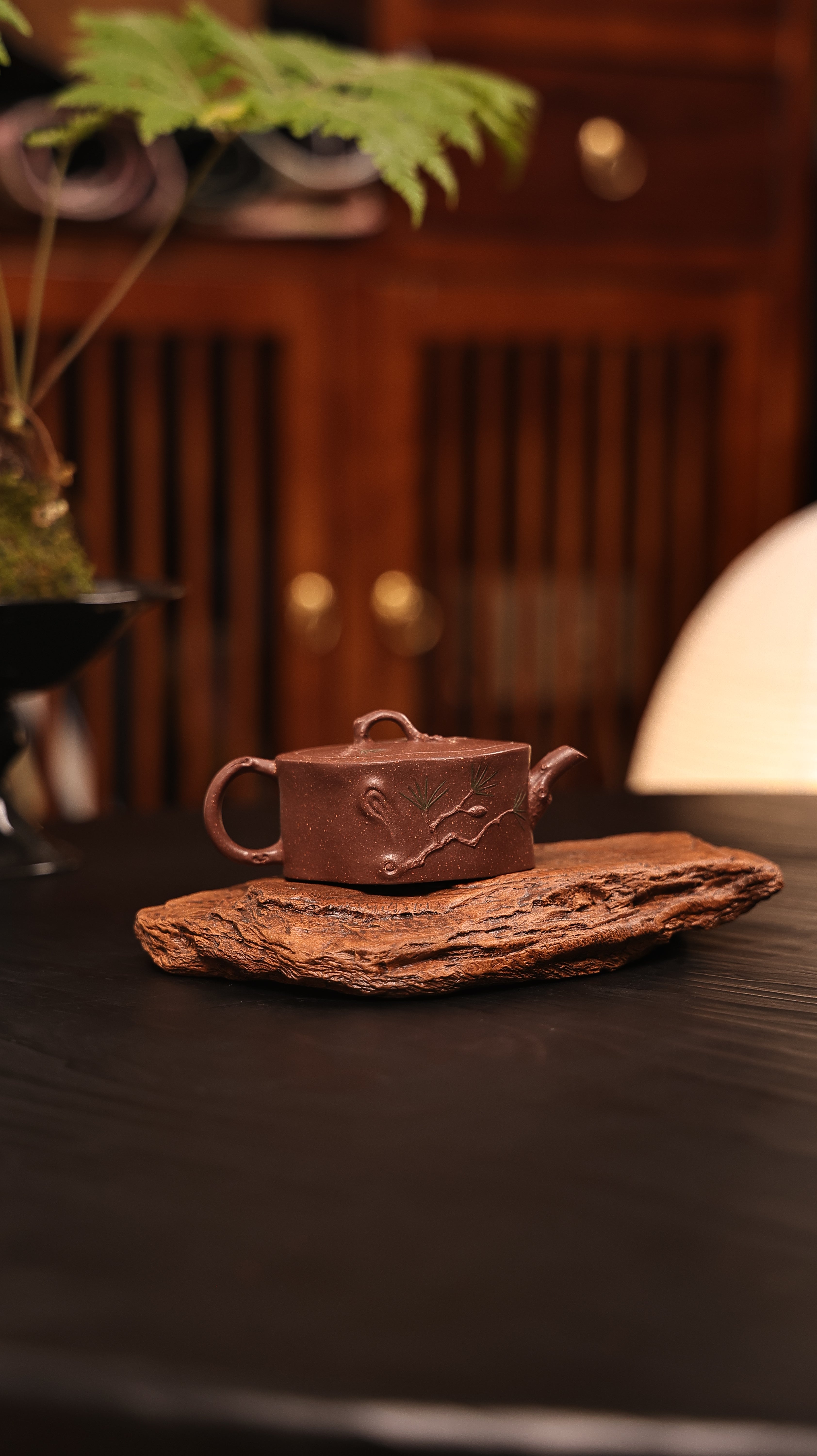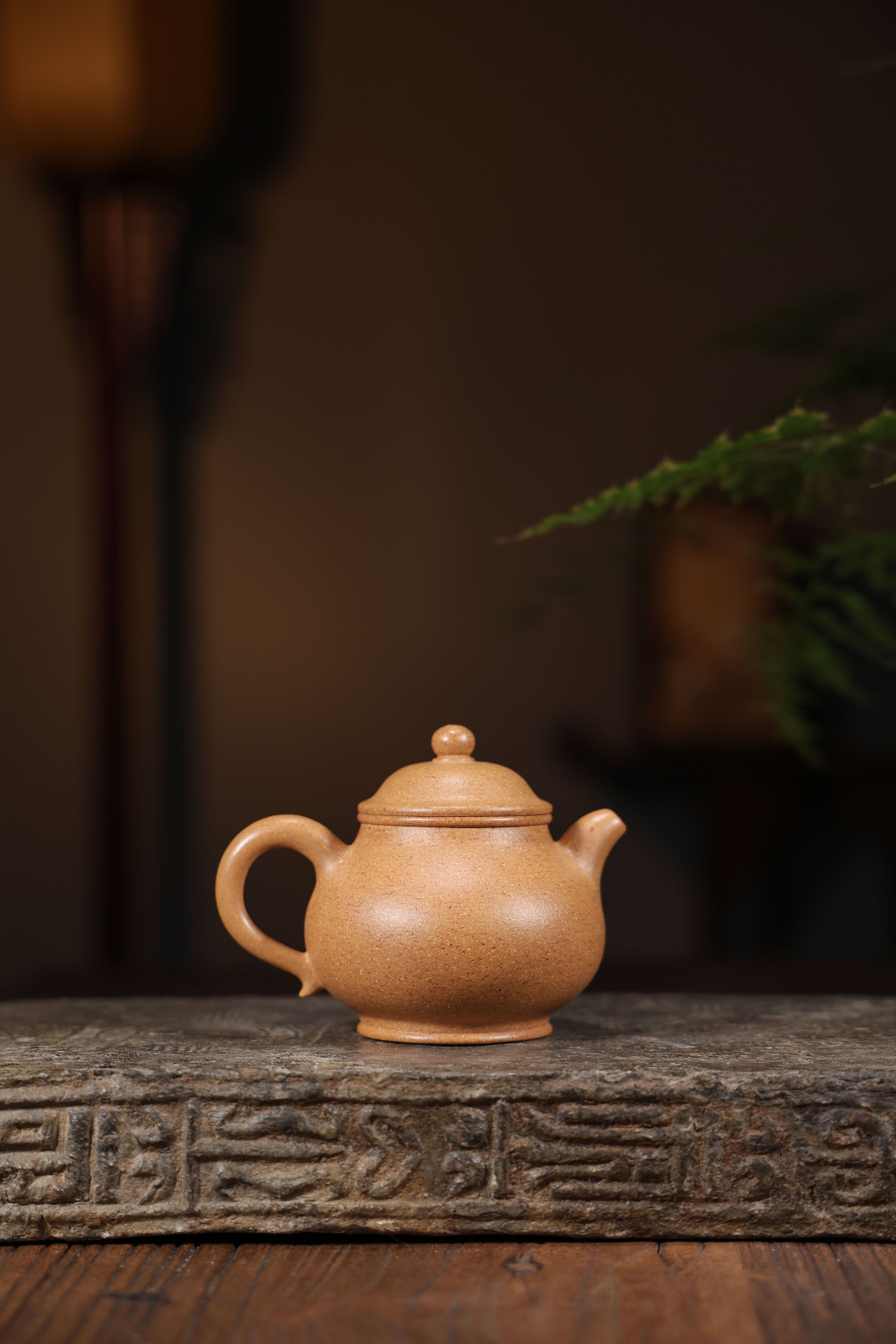
Perpetual history defines Jiangsu pottery via periods,
Representing unique traits taken out of regional plum particles, those earthenwares gain a finish through utilization, augmenting aroma drawn from steeped infusions.
Comprehending Yixing Clay: In-Depth Insights into Zisha
Various followers honor the exceptional makeup of Yixing lavender clay, a base of time-honored Chinese ceramics. Originating from the Yixing region of Jiangsu province, this notable clay presents an fine mineral constitution, that delivers amazing qualities to the crafted containers. Types within Zisha, including Bing Mud, Duan Ni Mud, and Jiang Xi Mud, each displays separate tones, textures, and curation traits, changing the airflow and the conclusive taste maturation of the drink.
Eastern Carafe Legacies: Exploring Artistry
Asian teapots embody beyond mere containers for drink; they embody centuries of cultural craft. From the renowned Yixing clay variations, respected for their porous nature which bestows special tones to the brew, to the delicate porcelain from Jingdezhen, each piece unfolds a tale of artistry. The construction process is an intricate task, often handed over through tribes of masters. These connoisseurs use classic techniques such as hand-building, carving on wheels, and embellishing, demonstrating profound reverence for the element and the craft itself. Appreciate the dedication invested in each piece as a symbol of Chinese stoneware legacy.
- Yixing crocks: a celebrated preference.
- Delicate ceramics teapots: recognized for their delicate design.
- Crafting techniques: a laborious yet fulfilling procedure.
Jiangsu Purple Kettle Maintenance: Sustaining Your Prized Possession
Optimal maintenance of your unique Yixing Zisha flask is vital to maintaining its durability. Crafted from distinct purple sand dirt, these premium teapots develop a lovely patina after practice, greatly boosting their allure. Eschew solvents; a easy rinse with warm aqueous is appropriate. Never scalding water for scrubbing the teapot, as it may break down its structure. Allow it to dry away from harsh daylight. Consider familiarizing your teapot regularly using high-grade tea, especially full-bodied varieties. Here is a brief overview:
- Swill with comfortably warm water.
- Refrain from chemical agents.
- Grant it to lose dampness.
- Prepare with high-quality tea.
Ancestry of Yixing Teapots: From Simple Starts
The tale of Yixing teapots starts plainly during the Song dynasty, close to the 16th epoch. Initially, these earthenwares were not the coveted objects they are valued presently. They were created by territorial potters using the sole purple clay harvested solely in the Yixing vicinity. These early pieces were predominantly utilitarian, aimed for regular employment and often plain in style. It was not until the later dynasty that they started to earn prestige beyond mere working goods.
Considering the Suitable Jiangsu Container: A Novice's Guide
Venturing the territory of Yixing teapots can be complex, but resist doubting! For newcomers, the most important factor is understanding the mud. Certified Yixing clay is prized for its breathability, allowing the teapot to hold the tea's taste over time, improving every creating session. Ponder the contour; traditional spherical shapes prevail, yet tailored preferences are important. Lastly, review the finish—while some favor an plain appearance, others like a mild gloss. Take your time in the selection process—this is an transaction in a beloved piece of art.
Traditional Clay Jars and Their Effect on Chinese Tea Ceremony
Zisha pots, originating from Yixing, China, have profoundly changed ancient Chinese tea culture. Those Yixing clay teapots, prized for their distinctive cast, surface, and exceptional ability to impart a subtle flavor to the liquid, are more than mere utensils; they are respected artworks and symbols of prominence. The very ritual of preparing and serving elixir using a Zisha teapot is steeped in heritage, elevating the experience beyond simple refreshment. Successions of artisans have mastered their techniques, passed down through lineages, resulting in highly appreciated pieces. Therefore, Zisha teapots are frequently accumulated, playing a crucial part in cultivating local appreciation for aesthetics and the ceremony of beverage ceremonies.
- Peculiar Clay Composition
- Imparting Subtle Flavor
- Exquisite Craftsmanship
Identifying Original Valuable Regional Teapots
Securing a truthful Yixing teapot can be a fulfilling experience, but the industry is often filled with fakes. Detecting between a legitimate antique and a up-to-date reproduction requires exacting inspection. Key signs include the clay's auburn shade, often displaying tiger skin marks, Yixing Teapot and the shortage of modern firing imprints. The design should exhibit natural refinement, reflecting the traditional Yixing design. Finally, evaluating the artisan's inscription is key to verify genuineness against recorded literature.
- Assess the clay's texture.
- Look for blemishes, indicative of bespoke quality.
- Utilize an authority for verification.
Buying Traditional Pitchers: A Detailed Guide to Purple Clay Interpretation
The sector of Traditional Zisha teapots presents a exceptional possibility for shrewd enthusiastic followers. More and more, the price of these custom artifacts is determined by numerous variables, such as the rank of component, the expertise of the artisan, the cultural meaning, and, naturally, the ongoing demand. Novices should emphasize on studying the several kinds of Zisha clay—such as Frozen River, Peaceful Container, and Ruby Mud—and exploring the aspects linked to each. Exact analysis of the container's figure, shade, and stamp is additionally crucial to make informed considerations when investing.