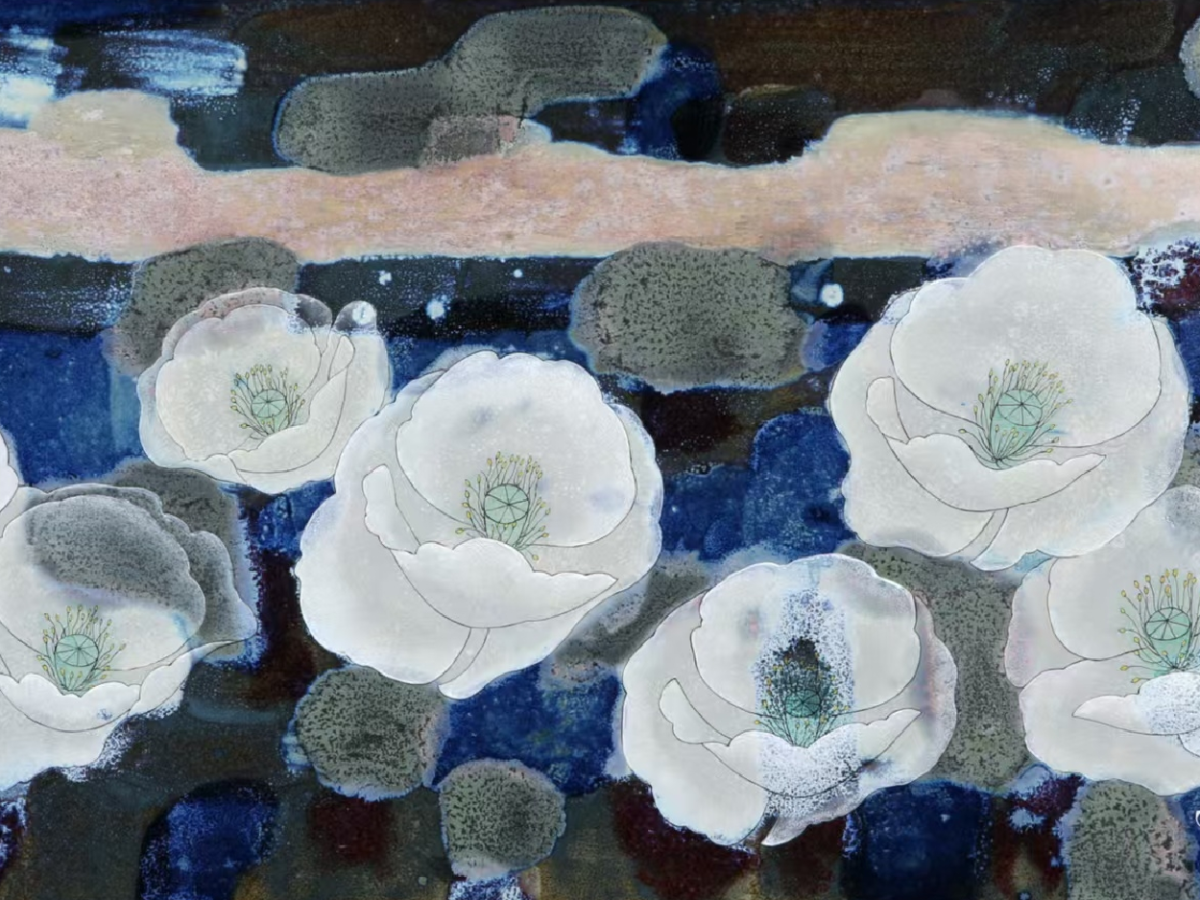
Ceramic statue symbolizes a striking expression genre with a enduring history, spanning back innumerable of times. From ancient receptacles to up-to-date presentations, the resource offers peerless possibilities for creative manifestation. Designers utilize different techniques – including assembling, wheel operating, and sophisticated firing processes – to convert humble terracotta into aesthetic three-dimensional works. The permanence of fired earthenware also contributes to its status as a truly timeless part of human custom.
Researching Ceramic Panel Styles and Procedures
The area of ceramic sign design offers a sizable array of resourceful possibilities. Artists often utilize a mixture of time-honored and cutting-edge techniques to construct visually stunning pieces. These can include from simple, etched reliefs to complex, multi-layered formulations. Typical methods include shape forming, sculpting by hand, the glaze process – which can involve multiple types like primary coloration, applying decoration after firing, and scratched decoration where designs are exposed by removing a layer of glaze. Further analysis into outer appearances such as the raku firing method and lustre decoration can yield truly rare and specialized clay tablets.
- Form Casting - Forming pieces using a mold
- Manual Crafting - Delicately building the loam
- Coating - Coating the external area with a silky finish
- Engraved motif - Exposing designs by scraping covers
Enveloping Experiences: Clay Art Assemblies
The transforming landscape of craftsmanship presents exciting new avenues for witnesses, and ceramic art installations are at the cutting edge of this trend. These aren't just static figurines; they are constructed to envelop the observer in a sensory realm. Imagine passing through a forest of towering, glazed ceramic trees, or navigating a complex of intricate ceramic vessels. Many producers are now incorporating tones, light, and even essence to enhance the impact of their work. Visualize the power of a room filled with hundreds of carefully ceramic artifacts, each telling a chronicle. Often, such installations study themes of the earth, history, and humankind.
- The mentioned installations blur the distinctions between design and environment.
- Viewing a ceramic art installation can be a deeply affecting journey.
- Creators are pushing the constraints of what is accomplishable with clay.
That Radiance of the Earthenware Receptacle: Purpose and Appearance
The ceramic urn represents a extraordinary combination of efficiency and stylish appeal. Historically, these receptacles served a rudimentary role in supporting objects, but their evolution has transformed them into highly valued works of expression. Each artifact showcases the skill of the artisan, demonstrating how outline can be as important as use. The attentive shaping, the rare glazes, and the general presence of a skillfully-formed receptacle can elevate a space, offering both charm and a modest reminder of the maker’s hand.
Modern Earthenware Figure : Testing Boundaries
Current earthenware figure represents a fascinating transformation from ancestral practices. Creators are boldly testing with novel systems, mixing the lines between sculpture and various visual realms. From massive installations to precise miniature pieces, mentioned works scrutinize themes of background while concomitantly remaking the very of what clay can be. The outcome is a vibrant field of expressive articulation.
Ceramic Tablet: Safeguarding Tradition in Earth
Clay plaques offer a remarkable method for recording significant events and figures. Compared to traditional metal or stone markers, these long-lasting pieces of craftsmanship are formed from fired clay, creating a tangible link to the olden times. Traditionally, they highlight intricate bas-reliefs or delicately designed imagery, expressing stories that might otherwise be Magic Cube Ceramics disregarded. These technique, traceable to ancient cultures, provides a beautiful and timeless way to remember our collective history.
- Such can be situated in accessible spaces.
- A large number of are now classified historical treasures.
Pottery Art Assemblies: Remodeling Venues
Pottery art installations are flourishing a potent medium for designers to reshape public and private sites. These immersive artworks frequently involve monumental clay designs that absorb viewers, influencing their perception of the assembled environment. By employing diverse tactics like hand fabrication and intricate firing methods, ceramic artists construct truly distinctive experiences, breaking down the separations between sculpture and setting. The outcome is often a strong shift that raises the artistic quality of the space and promotes dialogue.
Commencement Wheel to Spectacle: The Craft of the Porcelain Vase
The journey of a stoneware vase from a simple lump of mud to a finished work of mastery is a testament to human ingenuity. Conventionally, the process kicks off with the potter’s turntable, where the expert artisan forms the twisting earth into a cylindrical design. This introductory process demands clearness and a keen eye, followed by a delicate curing period. Once soft-fired, the pot is ready for enhancement, which may embrace applying intricate sketches, fashioning detailed imagery, or employing a diversity of coatings. The concluding processing process then transforms the object into a durable and lovely receptacle, a tangible reflection of the maker's creativity.
Forming with Clay: A Overview to Stoneware Expression
Surveying the realm of clay design begins with mastering the rudiments of sculpting with ceramic material. Such system calls for systematically adding and removing mass to build three-dimensional artifacts. Regardless of you're a apprentice or a accomplished designer, working with several types of earthenware – like porcelain – will enable you find your distinctive voice. Eventually, earthenware crafting is a gratifying experience that blends artistic ability with artistic representation.