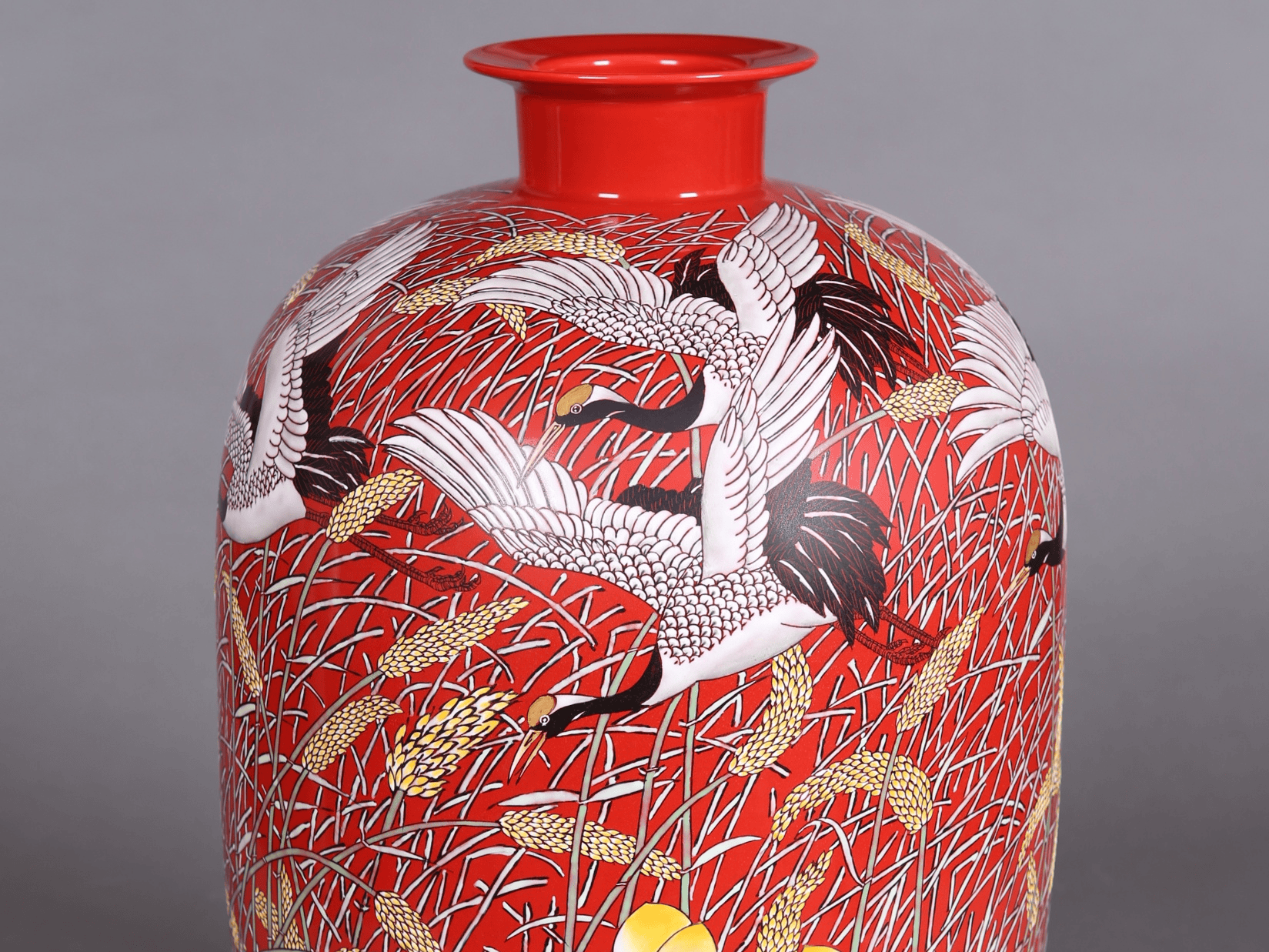
Ceramic statue symbolizes a extraordinary expression style with a vast legacy, covering back legions of eras. From ancient urns to state-of-the-art exhibitions, the matter offers exceptional possibilities for creative expression. Creators apply distinct techniques – including fabricating, wheel throwing, and sophisticated firing processes – to convert humble soil into aesthetic three-dimensional productions. The longevity of fired clay also contributes to its status as a truly enduring part of human civilization.
Studying Clay Board Designs and Methods
The realm of ceramic panel design offers a expansive array of imaginative possibilities. Artisans often apply a amalgamation of authentic and current techniques to craft visually spectacular pieces. These can stretch from simple, fashioned reliefs to complex, multi-layered assemblies. Conventional methods include pattern casting, forming by hand, the glaze process – which can involve multiple types like underglaze painting, post-firing embellishment, and engraved motif where designs are exposed by taking away a layer of coating. Further scrutiny into finishing techniques such as the raku firing method and lustreware can lead to truly special and bespoke stoneware tiles.
- Slip Casting - Assembling pieces using a design
- Artisanal Molding - Carefully molding the earth
- Surface Treatment - Painting the top with a vitreous finish
- Scraped detail - Showing designs by abrading coatings
Mesmerizing Experiences: Terracotta Art Displays
The maturing landscape of visual arts presents exciting original avenues for viewers, and ceramic art installations are at the pinnacle of this shift. These aren't just static statues; they are fashioned to envelop the observer in a sensory realm. Imagine passing through a forest of towering, textured ceramic trees, or navigating a complex of intricate ceramic vessels. Many producers are now incorporating sonics, light, and even odor to enhance the sensation of their work. Reflect on the power of a room filled with hundreds of uniquely ceramic forms, each telling a tale. Habitually, such installations examine themes of environment, remembrance, and humankind.
- The aforementioned installations blur the distinctions between art and venue.
- Viewing a ceramic art installation can be a deeply personal journey.
- Artisans are challenging the edges of what is achievable with clay.
Such Allure of the Porcelain Vessel: Role and Configuration
The clay jar represents a distinctive fusion of applicability and artistic appeal. Historically, these holders served a primary duty in sustaining objects, but their development has transformed them into highly valued works of expression. Each component showcases the skill of the artist, demonstrating how outline can be as pressing as purpose. The meticulous shaping, the one-of-a-kind glazes, and the aggregate presence of a expertly-built holder can raise a space, offering both beauty and a understated reminder of the maker’s hand.
Modern Clay Creation : Reaching Perimeters
Contemporary clay work represents a fascinating transition from customary practices. Sculptors are actively innovating with different processes, softening the edges between form and alternative design spheres. From considerable installations to intricate miniature pieces, these works investigate themes of culture while concurrently reshaping the definition of what ceramics can achieve. The consequence is a lively arena of imaginative manifestation.
Earthenware Inscription: Maintaining Heritage in Ceramic
Ceramic plaques offer a unique method for documenting significant events and souls. Distinguished from traditional metal or stone markers, these hardwearing pieces of handiwork are formed from heated clay, creating a actual link to the history. Regularly, they display intricate reliefs or meticulously crafted imagery, telling stories that might otherwise be passed over. One technique, linked Ceramics to ancient peoples, provides a visually appealing and lasting way to respect our collective heritage.
- Those can be situated in public spaces.
- A large number of are now classified historical treasures.
Ceramic Art Assemblies: Remodeling Locations
Ceramic art installations are flourishing a strong medium for sculptors to revise public and private places. These immersive designs frequently involve considerable clay figures that captivate viewers, redirecting their view of the constructed environment. By combining diverse approaches like coil construction and complicated firing techniques, ceramic artists fashion truly uncommon experiences, blurring the limits between work and setting. The result is often a strong alteration that boosts the visual quality of the environment and inspires discussion.
Origin Lathe to Beauty: The Practice of the Clay Holder
The journey of a clay jar from a simple lump of clay to a polished work of production is a testament to human inventiveness. Classicall, the process commences with the potter’s rotary device, where the experienced artisan builds the circling material into a cylindrical profile. This initial step demands cleverness and a sensitive eye, followed by a delicate setting period. Once raw-fired, the pot is ready for enhancement, which may embrace glazing intricate ornaments, incising detailed scenes, or adding a array of textures. The ultimate cooking process then evolves the piece into a durable and remarkable urn, a tangible representation of the designer's talent.
Modeling with Stoneware: A Primer to Brick Craft
Entering the field of terracotta composition begins with understanding the fundamentals of modeling with pottery. The aforementioned approach comprises carefully building and reducing mass to build three-dimensional artifacts. Regardless of you're a amateur or a veteran designer, practicing with several genres of brick – such as earthenware – will help you discover your unique style. Ultimately, ceramic sculpting is a rewarding journey that connects dexterous mastery with inspired exhibition.