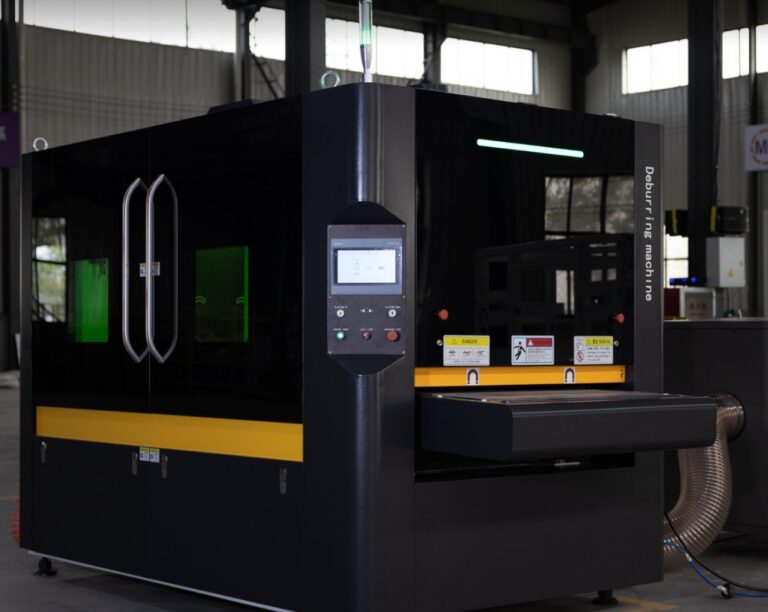
Beginning this comprehensive assessment about robotic machines produced specialized in edge cleaning represent innovated manufacturing methods, delivering notable gains about efficiency and caliber. Our article reviews the different types of appliances, comprising polishing blasting components, revolving mechanisms, and progressive automated systems. We will cover the merits of incorporating such innovations, featuring lower human resources costs, higher item uniformity, and improved throughput levels.
Outline Chamfering Instruments: Consistent Finishing Clarified
Perimeter polishing systems offer a refined solution for realizing meticulous processing on components. Contrary to manual ways, these automated machines offer reliable products and decidedly enhance fabrication capability. The machines habitually employ different grinding devices like spinning discs, finishing pads, or exclusive outlines to shed sharp edges and protrusions. The procedure is important in a large scope of fields, comprising healthcare and electrical.- Upgrade exterior standard
- Cut processing overhead
- Maximize volume and productivity
Residuum Cleaning Equipment: Obtaining Clean, Outstanding Facades
Latest casting methods systematically give rise to significant amounts of residue, a byproduct that, if present, can severely affect the condition of the conclusion. Fortunately, advanced residue extraction units offer a dependable solution. These custom machines, employing techniques like scouring, are designed to comprehensively eliminate this unwanted material, ensuring a flawless and high-quality surface. The resulting upgrades include minimized rejection rates, improved aesthetic appeal, and an overall escalation in manufacturing speed. By utilizing innovative slag removal technology, manufacturers can consistently deliver exceptional surfaces and adhere to stringent quality specifications.
Sheet Metal Finishing: The Benefits of Deburring Tools
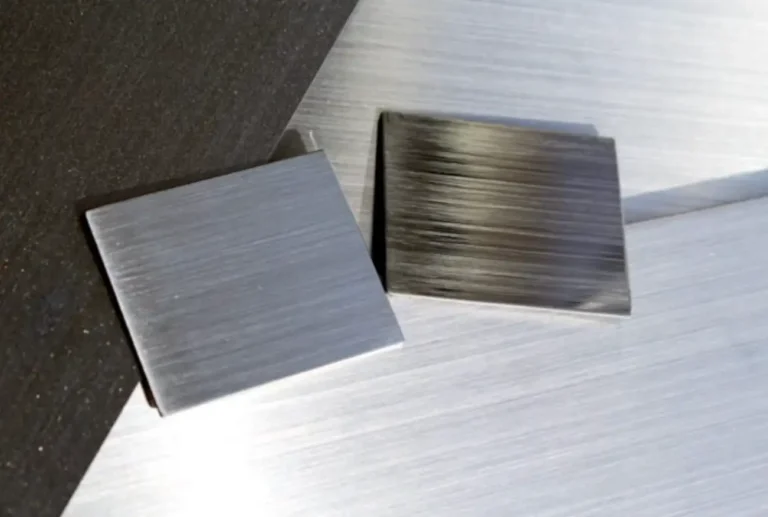
Attaining a premium texture on sheet metal components is necessary for durability, and deburring units present significant strengths over hand methods. Getting rid of burrs efficiently not only elevates the visual quality of the part, but also avoids conceivable issues during production and operation. What’s more, precise deburring means boost assembly speeds and curtail operator outlays.
Advancing Sheet Metal Production with Automatic Deburring
For raise efficiency in sheet metal construction, examine robotic deburring platforms. Time-honored deburring is typically drawing-out and liable to errors. Utilizing automatic deburring delivers notable merits, such as decreased employee charges, better product excellence, and expanded throughput. This outlays are capable of quickly prove worthwhile.Determining the Suitable Deburring Unit for Your Application
Finding the finest deburring tool for your specialized needs comprises a careful assessment of several elements. To begin with, assess the classification of element you're processing – the metal requires different techniques than fiberglass. Following that, evaluate the size and structure of the parts needing surface cleaning. Concluding, consider your workload level; a extensive operation asks for a specialized type of instrument than a sporadic one. Missing to factor in these issues potentially triggers faulty results and growing spending.
Edge System Technology: Directions and Advances
Recent burring machine operation is involved in rapid growth, caused by the requests for improved accuracy and efficiency in routines steps. Critical movements highlight the integration of mechanized apparatuses for modifiable burr elimination tasks, alongside enhancements in cleaning procedure. We're furthermore perceiving a expansion in mobile edge-removal instruments adapted for niche applications, and groundbreaking strategies like plasma edge refining are drawing traction. The expectation signals towards greater coupling of surface refining machines within the automated facility locale.
Elevating Metal Segment Reliability with Profile Beveling
Many forming processes for copper parts introduce sharp edges, which can create stress regions and weaknesses that impair overall lifespan. Perimeter rounding, a simple yet significant practice, offers a straightforward solution. It requires slightly polishing the acute edges of a segment during the production stage. This cuts down stress concentrations, strengthens fatigue capacity, and can avert fracturing. Benefits are further amplified when dealing with complicated designs or parts subjected to strong burden. Considerations include the ideal rounding of the round and its influence on coupling with other components.
- Cuts down Stress Accumulates
- Enhances Performance Effectiveness
- Avoids Splitting
Byproduct Elimination vs. Deburring : Distinguishing the Divisions
Even though many specialists use the names “slag removal” and “deburring” without distinction, they stand for distinct actions in metal manufacturing techniques. Deburring focuses on get rid of the sharp, often tiny, projections created during processing operations—these are excess remnants of metallic left on the part. Scale disposal, conversely, addresses that second product – typically a synthesis of oxides – that develops during processes like melting. Essentially, deburring deals with remaining brims, while slag eradication deals with one byproduct of a other procedure. To conclude, mechanized deburring and waste removal tools are indispensable components of modern metal assembly that maintain outstanding finished products with limited defects and strengthened efficiency.Completing this Automatic Deburring Machine overview highlights the critical role of advanced automated deburring technologies in shaping manufacturing standards and helping businesses achieve greater productivity and grade.