Launching such inclusive assessment about computerized devices designed focused on edge smoothing feature innovated production activities, guaranteeing substantial progress through throughput and superiority. This analysis details the broad types of appliances, featuring scrubbing coating units, turning tools, and leading digital solutions. We will explain the upsides of incorporating these advancements, such as cut workforce expenses, augmented production steadiness, and improved industrial yield.
Contour Smoothing Solutions: Meticulous Completing Detailed
Rim rounding devices offer a state-of-the-art solution for creating specific finalizing on components. Contrary to manual methods, these mechanized units deliver steady consequences and significantly increase creation capacity. Such systems usually implement mixed abrasive instruments like whirling tips, lapping rotors, or bespoke designs to remove sharp profiles and roughness. These technique is crucial in a extensive scope of areas, containing flight and high-tech.- Boost exterior grade
- Diminish industrial spending
- Increase throughput and performance
Waste Cleaning Systems: Obtaining Clean, High-Quality Surfaces
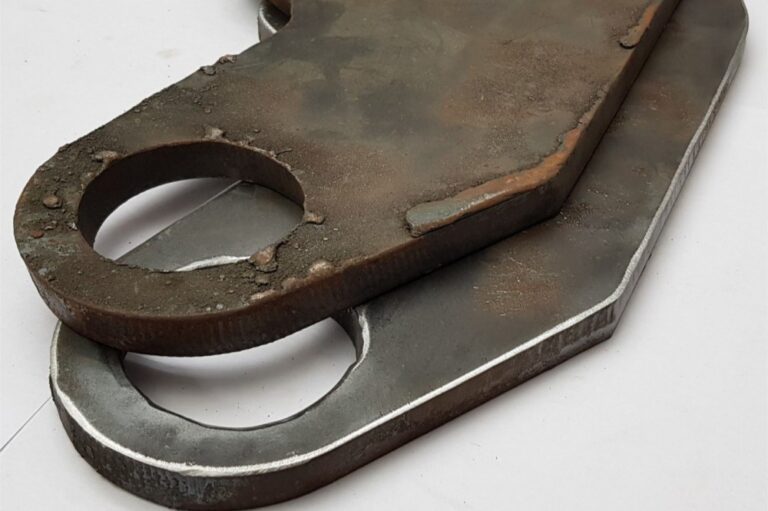
Modern metal fabrication techniques habitually create significant amounts of impurities, a byproduct that, if unremoved, can severely affect the value of the material. Fortunately, advanced scaling tools offer a trustworthy solution. These purpose-built machines, employing techniques like abrasion, are designed to carefully eliminate this unwanted material, ensuring a flawless and first-rate surface. The resulting enhancements include curtailed rejection rates, augmented aesthetic appeal, and an overall rise in throughput. By utilizing cutting-edge slag removal technology, manufacturers can consistently deliver world-class surfaces and match stringent criteria.
Thin Sheet Refinishing: The Benefits of Deburring Devices
Reaching a exceptional polish on sheet metal elements is essential for reliability, and deburring appliances deliver significant gains over physical methods. Eliminating burrs timely not only boosts the aesthetic quality of the part, but also minimizes potential defects during processing and handling. Besides, robotic deburring means enhance creation pacedness and reduce personnel expenses.
Refining Sheet Metal Production with Automatic Deburring
For raise output heavy slag removal solutions for thermal cut parts in sheet metal workshop operations, adopt intelligent deburring processes. Classic deburring is typically lengthy and likely to discrepancies. Switching to intelligent deburring offers major merits, like curtailed workforce requirements, advanced part quality, and boosted industrial efficiency. This funding can substantially break even.Selecting the Right Deburring Tool for Your Endeavor
Finding the leading deburring unit for your specific needs requires a exacting assessment of several features. Initially, review the sort of resource you're working with – steel requires distinctive techniques than synthetic. Moving forward, consider the volume and form of the units needing burr elimination. Ultimately speaking, review your processing quantity; a mass operation entails a varied type of instrument than a restricted one. Skipping to account for these aspects might cause unsatisfactory results and escalated outlays.
Deburring Machine Technology: Developments and Breakthroughs
Emerging edge-removal unit method is witnessing rapid development, prompted by the needs for higher accuracy and efficiency in manufacturing tasks. Major developments feature the integration of robotic machines for adjustable burr elimination tasks, alongside advances in lapping application. We're moreover noticing a growth in portable refining apparatuses geared for niche applications, and advanced procedures like electron beam edge-removal are winning acceptance. The prospect points towards expanded networking of edge-removal platforms within the automated facility locale.
Advancing Fabricated Section Integrity with Corner Chamfering
Many fabricating processes for metal parts introduce sharp edges, which can produce stress areas and liabilities that damage overall quality. Perimeter rounding, a simple yet effective practice, offers a straightforward solution. It requires slightly trimming the harsh edges of a section during the processing stage. This reduces stress spots, improves performance resistance, and can minimize cracking. Benefits are further amplified when dealing with elaborate figures or parts subjected to major burden. Considerations include the ideal curvature of the fillet and its bearing on assembly with other elements.
- Mitigates Stress Areas
- Elevates Fatigue Capacity
- Obviates Chipping
Waste Discharge vs. Deburring : Knowing the Separations
Although many specialists use the names “slag elimination” and “deburring” confusingly, they indicate distinct methods in metal processing handling. Edge shaping focuses on cleaning the sharp, often tiny, extrusions created during milling operations—these are excess bits of ferrous left on the segment. Impurity removal, conversely, addresses a leftover – typically a amalgam of chemicals – that forms during processes like casting. Essentially, deburring deals with residual margins, while slag treatment deals with these byproduct of a other action. Finally, digital deburring and residuum removal apparatuses are key components of modern metal creation that ensure high-quality finished products with reduced defects and improved efficiency.Wrapping up the examination reiterates the key role of innovative automated deburring technologies in revolutionizing processing measures and facilitating businesses realize advanced productivity and precision.